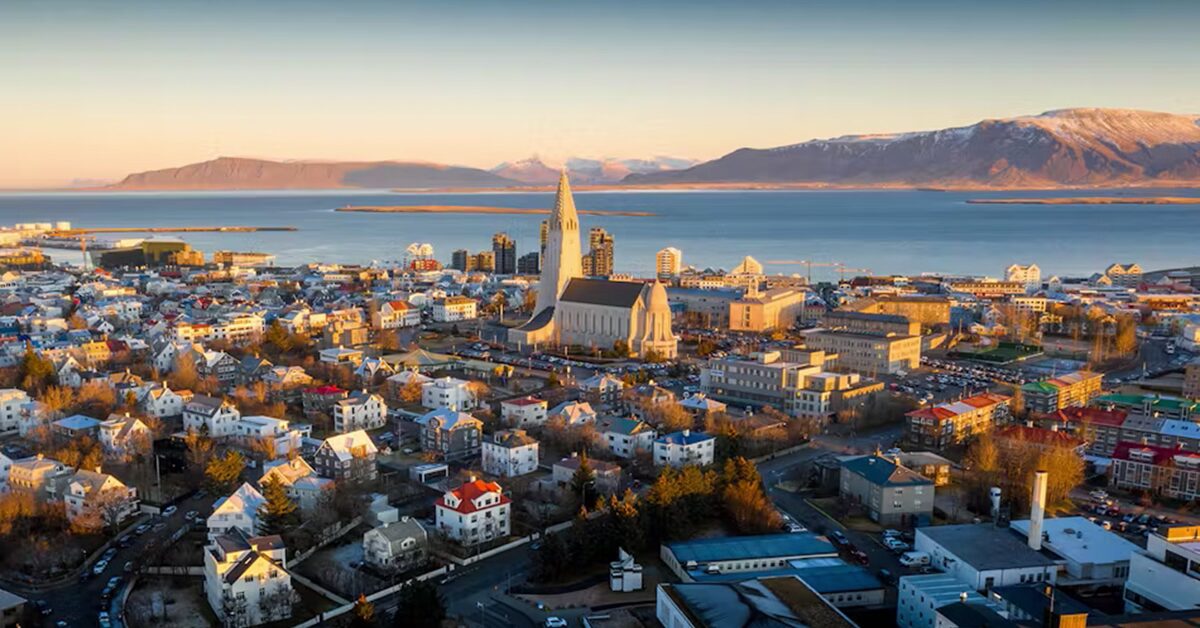


Wichita passengers now have a convenient new way to explore Iceland, thanks to a new interline agreement between Southwest Airlines and Icelandair. With just one connection in Denver, travelers can fly from Wichita (ICT) to Reykjavik, Iceland (KEF), combining the strengths of both airlines.
This partnership allows seamless travel between the two carriers, with bookings for connecting flights currently available through Icelandair.com. Passengers’ checked bags transfer smoothly between airlines, making international travel simpler than ever. At present, travelers must book through Icelandair’s channels, but future enhancements will allow interline itineraries to be booked directly on Southwest.com and other platforms where Southwest tickets are sold.
Things to Do and See in Reykjavík, Iceland
Reykjavík may be one of the smallest capital cities in Europe, but what it lacks in size, it makes up for in personality, natural beauty, and unique cultural experiences. With a population of 138,772 as of 2025—about 35.6% of Iceland’s total—this colorful coastal city offers a perfect blend of Nordic charm, geothermal wonders, and artistic expression. Whether you’re stopping over for a weekend or launching a full Icelandic adventure, here are the top things to do and see in Reykjavík, Iceland.
Iconic Landmarks in Reykjavík
Hallgrímskirkja Church
Reykjavík’s most iconic structure, Hallgrímskirkja, towers over the city skyline with its 74.5-meter-high spire. Inspired by the shapes of basalt lava flows, this Lutheran church is both a spiritual and architectural symbol of Iceland. Take the elevator to the top for sweeping views across the city, Mount Esja, and on clear days, even the Snæfellsjökull glacier.
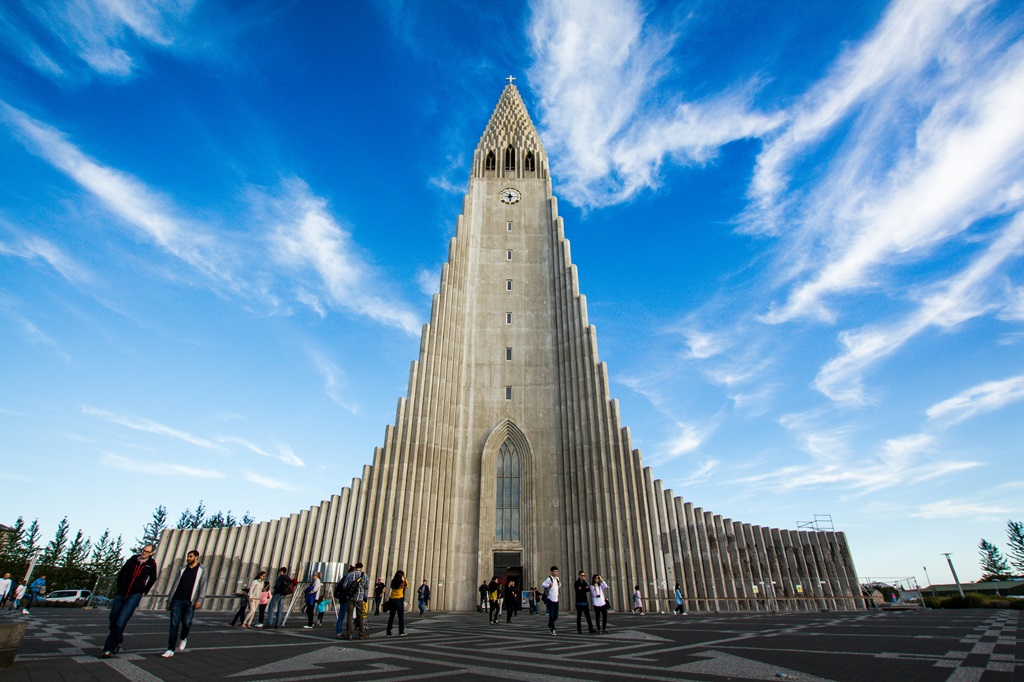
Hallgrímskirkja Church
Harpa Concert Hall
Located near the Old Harbour, Harpa is a dazzling glass building that reflects both daylight and the Northern Lights. As a cultural center, it hosts music festivals, concerts, and international conferences. Even if you’re not attending a performance, the building itself is worth exploring for its modern design and photo opportunities.
Sun Voyager (Sólfar) Sculpture
Just a short walk from Harpa along the waterfront lies the Sun Voyager, a steel sculpture resembling a Viking ship. This striking piece is a dreamboat meant to represent discovery and freedom. It’s especially stunning during sunrise or sunset, with Mount Esja in the background.
Cultural and Historical Attractions
Reykjavik has a plethora of museums, including art, history, nature museums and exhibitions. If you want a deeper understanding of Icelandic history, head to the National Museum of Iceland. Exhibits trace the nation’s journey from Viking settlements to modern society, showcasing artifacts like swords, clothing, and medieval manuscripts. The Reykjavík Art Museum spans three locations—Hafnarhús, Kjarvalsstaðir, and Ásmundarsafn—featuring contemporary and modern Icelandic artists. It’s perfect for those interested in Iceland’s creative side, with exhibitions on everything from sculpture to surrealism. Learn about the Vikings at the Saga Museum. The Saga Museum brings Viking tales to life with eerily realistic wax figures. Walk through scenes from Icelandic sagas while listening to dramatic narration that paints a vivid picture of early life on the island. Learn more here.

Saga Museum
Relax in Geothermal Pools and Spas
The luxurious Sky Lagoon is one of Reykjavík’s newest and most talked-about attractions. Located just outside the city center, it features an oceanside infinity pool and a seven-step wellness ritual including sauna, cold plunge, and steam. It’s the perfect way to relax with a view of the North Atlantic. Popular with locals, Laugardalslaug is Reykjavík’s largest public pool. Affordable and family-friendly, it offers outdoor and indoor pools, hot tubs, water slides, and even a seawater tub. It’s a great way to experience the local bathing culture. Yes, Reykjavík has a beach! Nauthólsvík Geothermal Beach offers a man-made lagoon with warm geothermal waters that contrast the chilly Atlantic Ocean. Open year-round, it’s free during the summer months and has changing facilities, a café, and sea-view hot tubs.
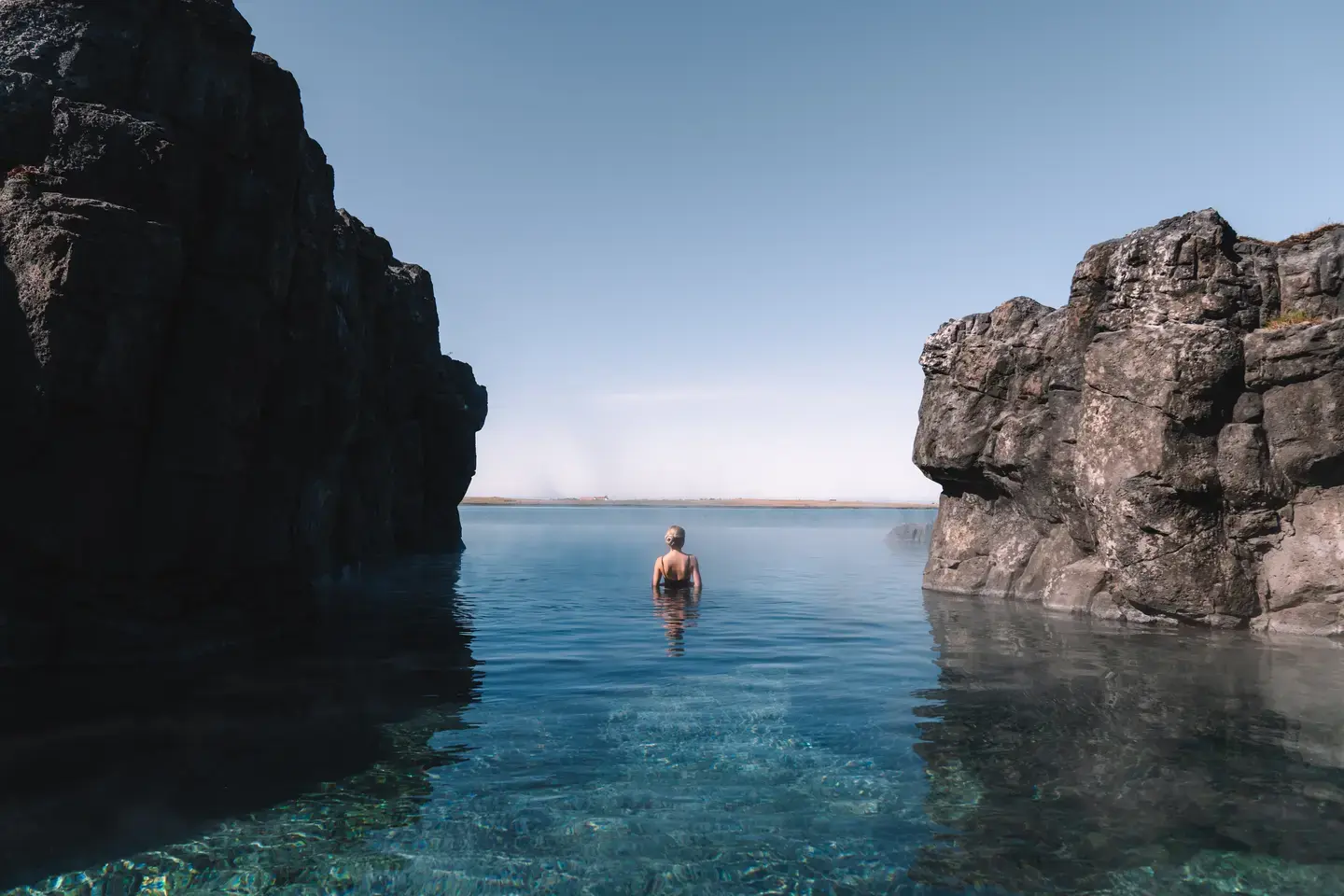
Sky Lagoon
Nature and Wildlife Adventures in Reykjavík: Whales, Horses, Mountains, and More
Reykjavík, Iceland’s vibrant capital, is more than just a cultural destination—it’s a natural gateway to some of the country’s most unforgettable outdoor adventures. Just beyond the city limits, visitors can spot whales breaching in Faxaflói Bay, ride sturdy Icelandic horses across ancient lava fields, hike up dramatic mountains, and immerse themselves in Iceland’s raw and rugged landscape. Here’s how to experience the best of Reykjavík’s nature and wildlife.
Whale Watching in Faxaflói Bay
Off the coast of Reykjavík lies Faxaflói Bay, a rich marine habitat teeming with life. This expansive body of water is one of the best places in Iceland to see minke whales, humpback whales, dolphins, and harbor porpoises in their natural environment. Whale watching excursions depart from the city’s Old Harbour and head into open waters, often accompanied by views of distant glaciers and volcanic peaks. In summer months, the bay also becomes a haven for seabirds, including puffins. Whether you’re standing at the rail of a boat or watching from the shoreline, the experience of seeing these powerful creatures in the wild is both humbling and unforgettable.
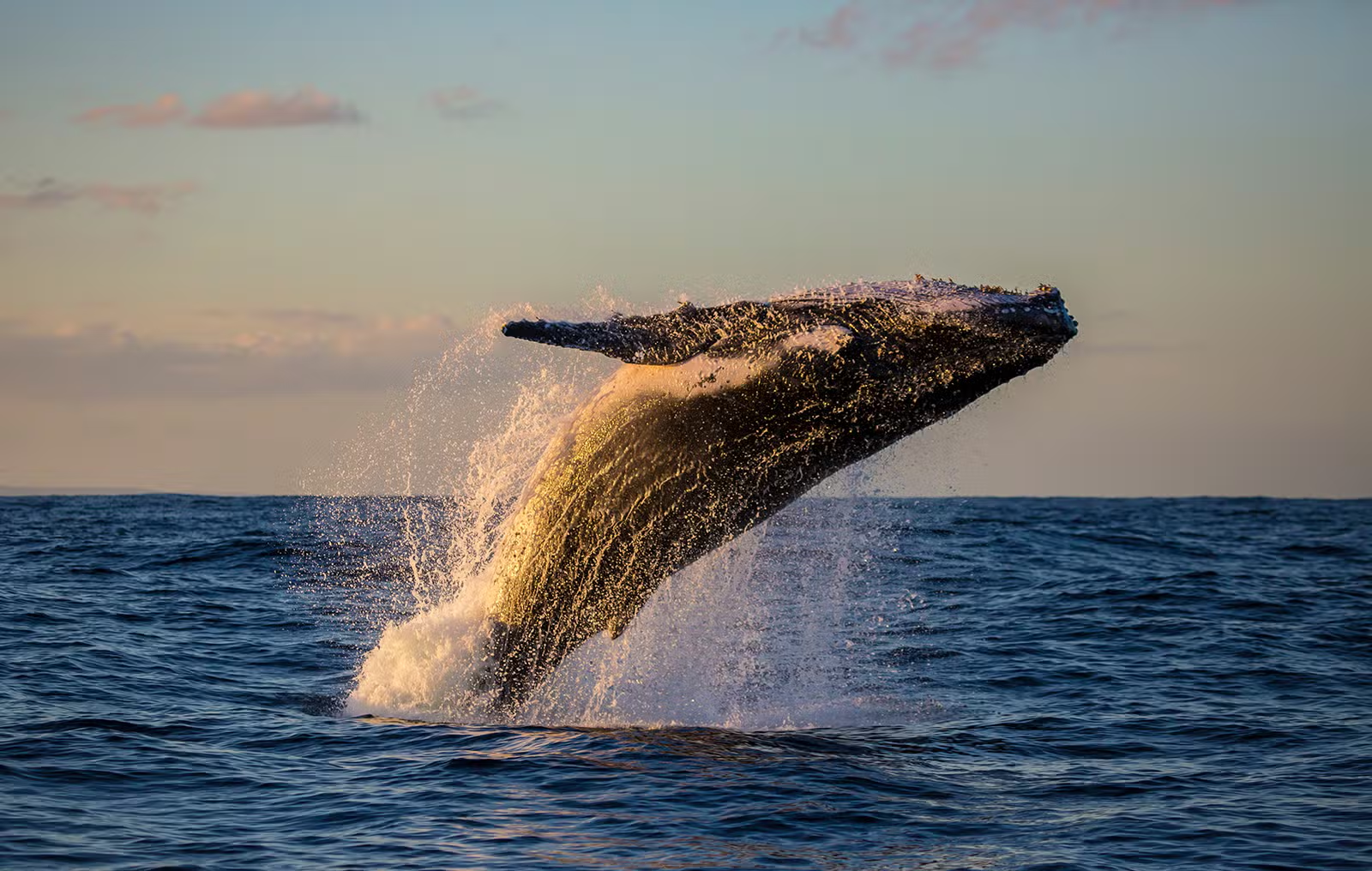
Whale at Faxaflói Bay
Horseback Riding Through Volcanic Terrain
Just outside the city, the landscape opens up to a dramatic mix of lava fields, mossy hills, and winding rivers—ideal terrain for a ride on the famous Icelandic horse. These unique animals are known for their calm demeanor, small stature, and distinctive tölt, a smooth gait that makes for a comfortable ride even over rough ground.
Riders of all levels can explore scenic trails that lead through black lava fields, across shallow streams, and up gentle hills, often with sweeping views of the surrounding mountains. It’s a peaceful and intimate way to experience the quiet beauty of the Icelandic countryside.
Hiking
Iceland is a hiker’s paradise, with a vast array of mountains, valleys, and nature trails. Towering just 10 kilometers northeast of Reykjavík, Mount Esja offers one of the area’s most accessible and rewarding hikes. Rising to a peak of 914 meters (2,999 feet), this iconic mountain is a favorite among locals and visitors alike. The hiking paths begin at Mógilsá, easily reached by bus or car from the city. Trails vary in difficulty, making it suitable for casual walkers and more experienced hikers. Most follow a marked route to Steinn, a large rock with panoramic views of Reykjavík and Faxaflói Bay below. From there, more ambitious hikers can continue to the summit, where the views expand to include the Snæfellsnes Peninsula on a clear day.

Mount Esja
Combine Land and Sea for the Ultimate Outdoor Day
For those wanting to experience the full spectrum of Reykjavík’s natural offerings, it’s entirely possible to combine horseback riding, whale watching, and hiking in a short visit. Begin your morning with a trail ride through lava fields, spend your afternoon spotting whales from a boat in Faxaflói Bay, and end your day with a sunset hike up the slopes of Mount Esja.
This variety is part of what makes Reykjavík so special—it allows you to experience both the stillness of Iceland’s landscapes and the dynamism of its wildlife, all within close reach of the city center.
See the Northern Lights (Aurora Borealis)
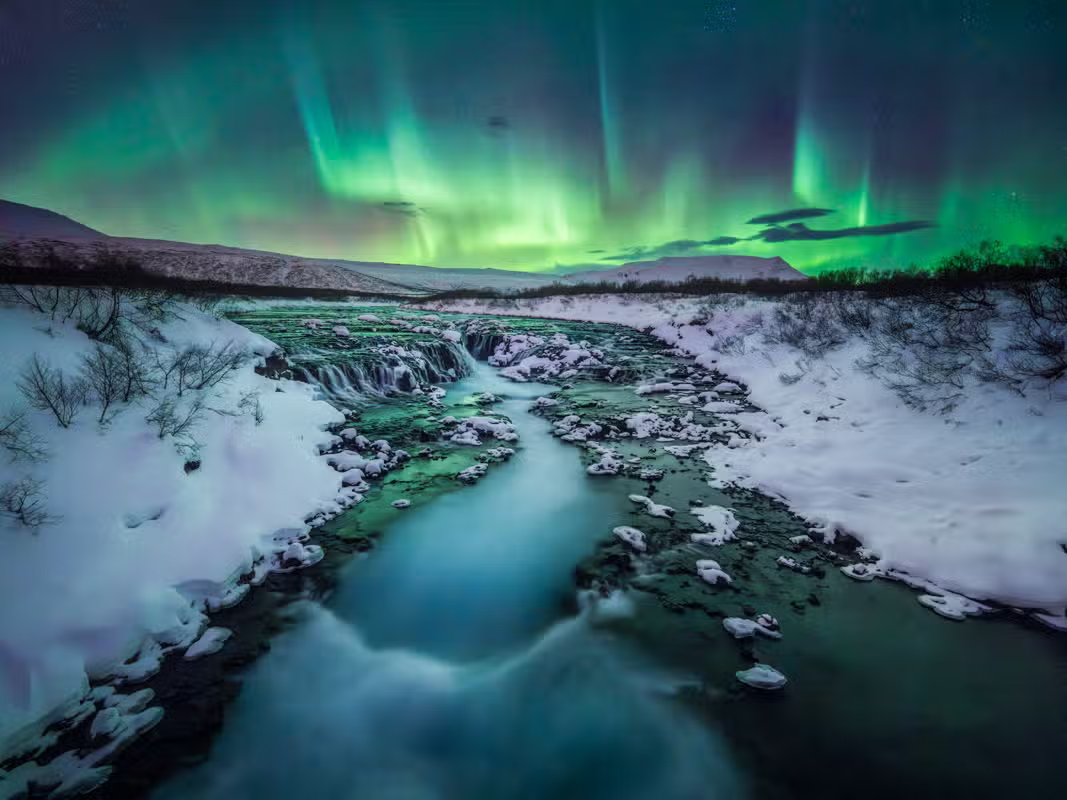
From September to April, Reykjavík becomes a launch point for seeing the Northern Lights. Join a guided tour, or if conditions are right, catch them from areas like Grótta Lighthouse or Perlan on a clear night.
Tips for Outdoor Adventures Around Reykjavík
- Dress in layers: Weather can shift quickly—bring waterproof gear and warm clothing, even in summer.
- Wear sturdy shoes: Whether hiking or riding, durable footwear is essential.
- Respect nature: Stay on marked trails, don’t disturb wildlife, and leave no trace.
- Be flexible: Wildlife sightings and weather conditions vary, so plan with a spirit of adventure and patience.
Savoring Reykjavík: A Food Lover’s Guide to Iceland’s Capital
If you think Reykjavík is all about volcanoes, waterfalls, and Northern Lights—think again. Iceland’s cool and quirky capital is also home to one of the most surprising and delightful culinary scenes in the Nordics. Whether you’re craving freshly caught seafood, curious about traditional Icelandic dishes, or just looking for a cozy café to warm up in, Reykjavík has something delicious for every kind of traveler.
Must-Try Bites:
- Plokkfiskur (creamy fish stew) with warm rye bread
- Langoustine soup at Sægreifinn by the harbor
Icelandic cuisine shines with local, sustainable ingredients like wild herbs, lamb, and berries. For a high-end experience, book a table at Dill, the country’s first Michelin-starred restaurant. Despite its size, Reykjavík boasts global flavors—ramen, Korean fried chicken, Italian pasta, and more. For variety in one stop, visit Hlemmur Mathöll, a stylish food hall in a former bus terminal.
Save Room For:
- Skyr desserts, pastries, and licorice ice cream
- Local craft beers and a shot of Brennivín (if you dare)
Reykjavík offers a bold and diverse food scene that blends tradition, innovation, and global flair.
Tips for Visiting Reykjavík
When to Visit: Summer (June–August) offers endless daylight and festivals; winter (October–March) brings the Northern Lights and snowy charm. The average July high is about 15°C (59°F), with lows near 9°C (49°F).
Getting Around: Reykjavík is very walkable. For longer distances, use city buses, electric scooters, or bike rentals. The Reykjavík City Card includes access to public pools, museums, and buses—a great value if you plan to explore extensively.
Book your flights at Icelandair.com.
To learn more about Iceland, Visit Iceland and Visit Reykjavik and start planning your trip!